
Slip Resistance Standards And What They Mean For Commercial Flooring
Flooring plays a much bigger role in workplace safety than many people realise. In commercial spaces, the right flooring choice affects not only appearance and durability but also the everyday safety of staff, customers and visitors. Slip resistance is one of the most important factors to consider, particularly in environments exposed to moisture, heavy foot traffic or frequent cleaning. Despite its importance, slip resistance ratings are often misunderstood. Many business owners assume all commercial flooring products provide similar levels of safety, only to discover later that certain materials are unsuitable for their environment. Understanding how slip resistance standards work helps create safer spaces, reduce maintenance challenges and support long-term compliance requirements.
Why Slip Resistance Matters in Commercial Flooring
Commercial flooring is expected to perform under constant use. Unlike residential spaces, commercial environments often deal with larger volumes of foot traffic, spills, changing weather conditions and stricter safety obligations. Slip resistance helps minimise the likelihood of falls and injuries in these environments. Flooring with poor slip resistance may become hazardous when exposed to moisture, dust or cleaning products.
Slip-resistant flooring can help:
- Improve workplace and public safety
- Reduce risks associated with slips and falls
- Support compliance with workplace safety obligations
- Maintain safer access through high-traffic areas
- Provide better traction in wet or contaminated conditions
Different industries face different safety challenges, which is why flooring selection should always consider how the space is used daily.
Understanding How Slip Resistance Is Measured
Slip resistance ratings are determined through testing processes designed to assess how much grip a flooring surface provides under specific conditions. These tests measure the interaction between footwear and flooring materials to determine how likely slipping may occur. Several testing methods are commonly referenced in commercial flooring specifications.
These may include:
- Wet pendulum testing
- Oil-wet ramp testing
- Dry floor friction testing
- Surface profile measurements
Each test evaluates flooring performance differently depending on the environment being assessed. Some flooring products may perform well in dry conditions but become slippery when exposed to water or contaminants. Understanding the purpose of each rating system helps business owners make more informed flooring decisions.
The Difference Between P Ratings and R Ratings
Two of the most commonly referenced slip resistance classifications are P ratings and R ratings. While they sound similar, they measure different aspects of flooring performance. P ratings are generally determined through pendulum testing and are commonly used in many commercial specifications. Ratings typically range from P0 to P5, with higher numbers indicating greater slip resistance. R ratings are determined using ramp testing methods and are often applied to areas exposed to oils or contaminants.
Examples of rating applications include:
- Lower ratings for dry office areas
- Moderate ratings for retail or hospitality spaces
- Higher ratings for kitchens, bathrooms or wet zones
- Specialised ratings for industrial environments
Understanding the distinction between these systems helps ensure flooring selections align with real-world usage conditions.
How Environment Influences Flooring Safety
Slip resistance is not simply about the flooring product itself. The surrounding environment plays a major role in how safely the floor performs over time. Several environmental factors can affect traction and surface safety.
These include:
- Water exposure from weather or cleaning
- Dust, sand or debris accumulation
- Food or liquid spills
- Oil or grease contamination
- Footwear commonly used within the space
A flooring product suitable for a reception area may not perform appropriately in a commercial kitchen or healthcare setting. This is why flooring should always be selected according to the practical demands of the environment. Commercial spaces using products such as carpet Bundaberg businesses rely on may combine soft flooring and hard surfaces strategically to balance comfort, durability and slip resistance.
The Risks of Choosing the Wrong Flooring
Selecting flooring based only on appearance or price can create long-term issues. Flooring that lacks suitable slip resistance may increase safety concerns and create operational challenges for businesses.
Potential consequences include:
- Increased risk of workplace injuries
- Higher maintenance and cleaning demands
- Accelerated wear in high-traffic areas
- Greater exposure to liability claims
- Reduced confidence from staff or visitors
In some commercial environments, inappropriate flooring may also fail to meet required compliance expectations.
This is why commercial flooring selection often involves balancing aesthetics, maintenance requirements, durability and safety performance together rather than focusing on one factor alone.
How Carpet and Soft Flooring Contribute to Safety
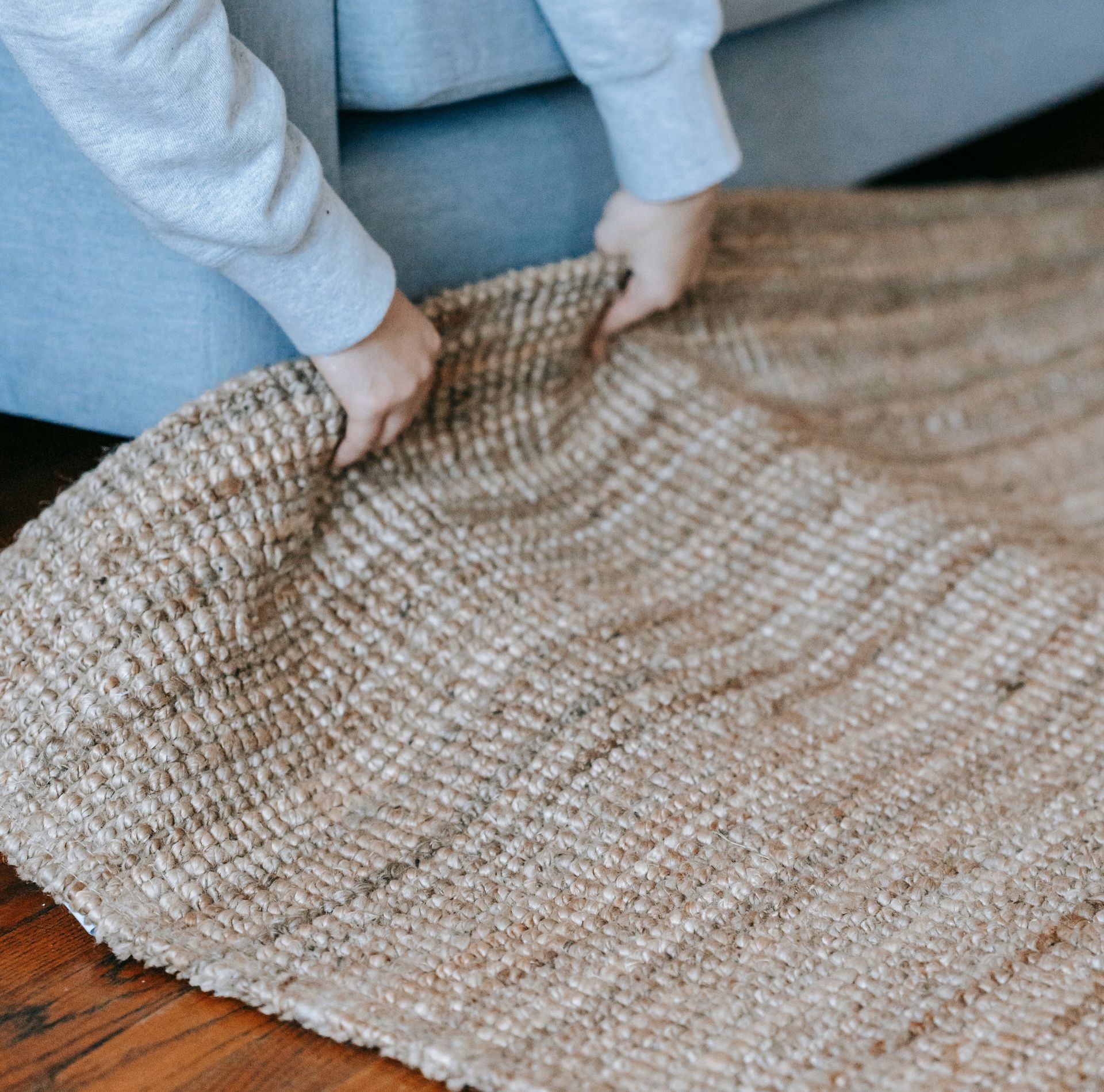
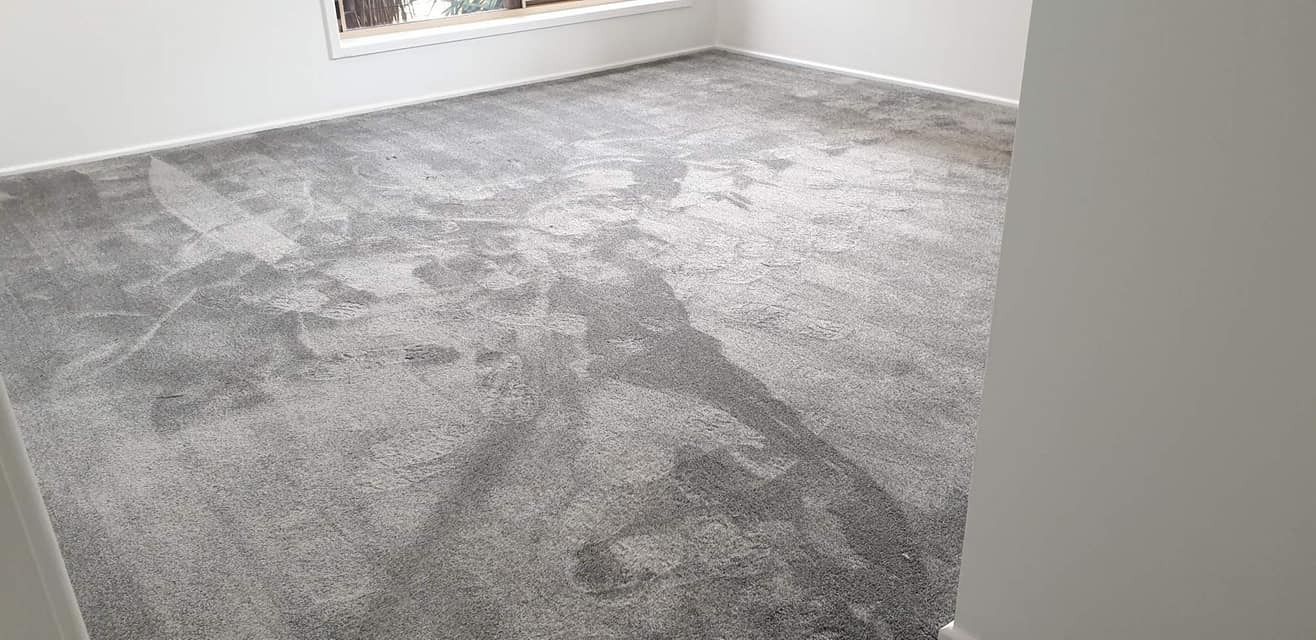
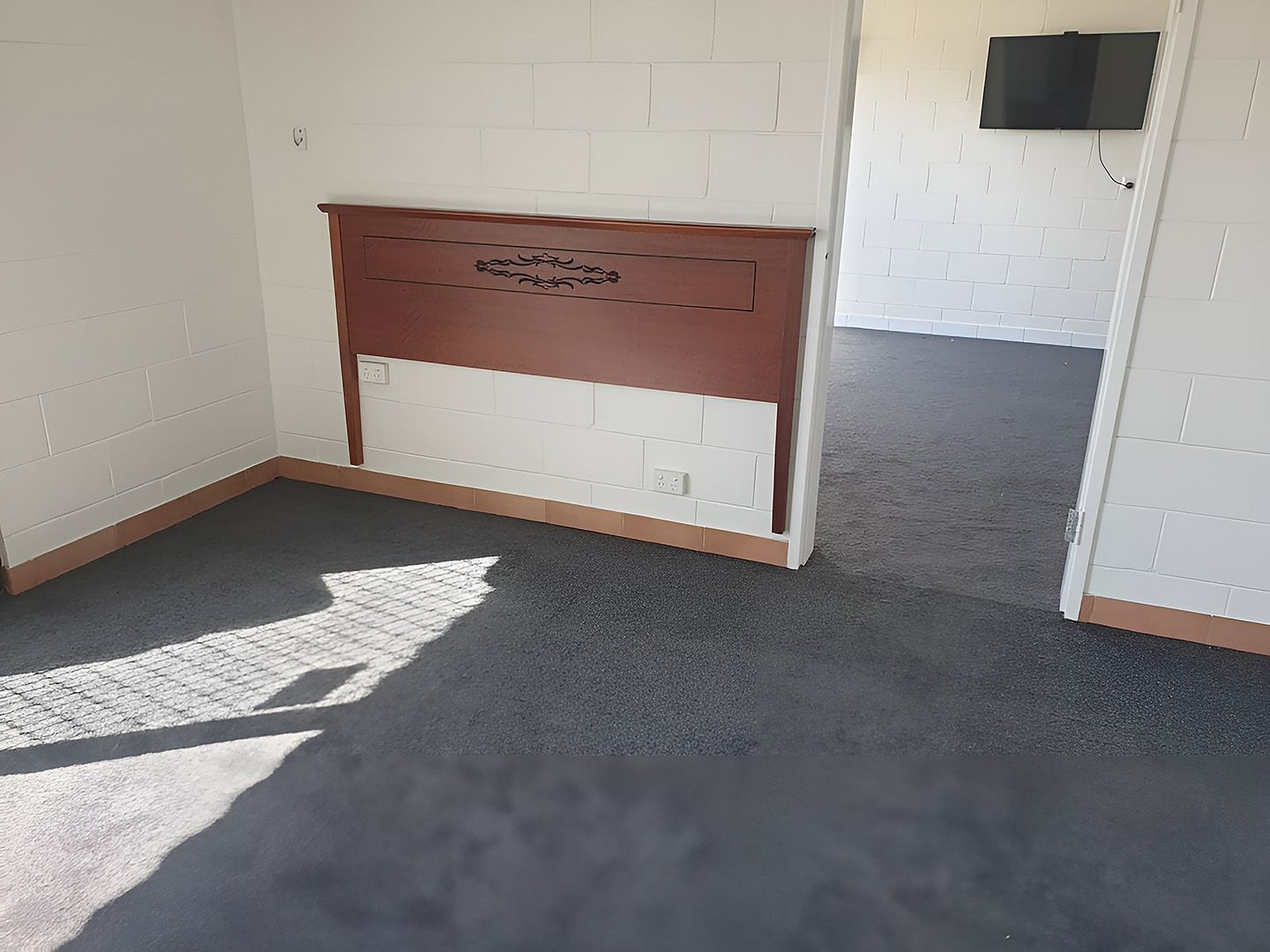
While hard flooring products often receive the most attention in discussions around slip resistance, carpet also plays an important role in commercial safety design. Commercial carpet products can help improve traction while reducing fatigue and noise in busy spaces. Carpet is commonly used in offices, accommodation settings, meeting areas and reception spaces where comfort and slip reduction are both priorities.
Benefits of carpet flooring may include:
- Improved underfoot grip in dry environments
- Reduced slipping compared with some smooth surfaces
- Better acoustic performance
- Increased comfort for staff and visitors
- Lower visible wear in high-traffic interiors
Many businesses exploring
residential carpet and commercial flooring solutions choose to combine carpet tiles or broadloom carpet with harder flooring surfaces to suit different functional zones.
Why Installation Quality Affects Slip Resistance
Even highly rated flooring products can underperform if they are installed incorrectly. Flooring installation directly affects how safely the surface functions over time.
Problems associated with poor installation may include:
- Uneven surfaces or raised edges
- Gaps between flooring sections
- Incorrect adhesive application
- Premature wear or movement
- Moisture issues beneath the flooring
Professional installation helps ensure flooring performs according to manufacturer specifications and safety expectations. Subfloor preparation is equally important, as movement beneath the flooring can affect both durability and slip resistance. Commercial projects involving carpet flooring Bundaberg property owners select should always account for installation quality alongside product performance.
Balancing Safety, Maintenance and Long-Term Performance
Slip resistance should not be viewed in isolation. Commercial flooring must also support maintenance efficiency, durability and the overall functionality of the space. A flooring solution that is extremely slip resistant but difficult to maintain may create practical challenges over time. Similarly, highly polished surfaces may look appealing initially but become unsafe under wet conditions.
When assessing flooring options, businesses should consider:
- Expected foot traffic levels
- Cleaning and maintenance requirements
- Moisture exposure
- Longevity and wear resistance
- Compatibility with the intended commercial environment
Taking a balanced approach helps ensure the flooring continues performing safely and effectively well beyond the initial installation stage.
Learn More
At Bundaberg Carpets & Vinyls, we understand that commercial flooring decisions involve much more than appearance alone. Businesses throughout Bundaberg often need flooring solutions that balance safety, durability and long-term maintenance while meeting the demands of busy commercial environments. Whether you are comparing Carpet Bundaberg products, planning a commercial fit-out or reviewing flooring safety requirements, our team can help you choose practical solutions suited to your space. Visit our website to explore our flooring range or speak with our team today.