
The Role Of Underlay Density In Long-Term Carpet Performance
When choosing new carpet, most people focus on what they can see and feel straight away. Colour, pile type and texture often guide the decision. While these factors are important, they are only part of the overall flooring system.
What sits beneath the carpet plays a significant role in how it performs over time. Underlay, particularly its density, influences how the carpet responds to daily use, how it feels underfoot and how well it holds its shape. Without the right support, even a well-chosen carpet can show signs of wear sooner than expected.
For homeowners, builders and renovators looking at carpet Bundaberg options, understanding underlay density can help create a more practical and long-term flooring solution.
Why underlay density plays a critical role in how carpet performs over time
Underlay density refers to how compact and supportive the material is beneath the carpet. It determines how well the underlay can absorb pressure and return to its original shape after use.
Key ways density affects performance include:
- Providing a stable base that supports the carpet fibres
- Reducing compression from repeated foot traffic
- Helping maintain the carpet’s overall appearance
- Supporting even wear across the surface
When underlay has sufficient density, it can absorb the impact of movement and distribute it more evenly. This reduces strain on the carpet itself. Over time, this can influence how well the carpet maintains its structure and visual consistency.
Rather than acting as a simple cushioning layer, underlay forms part of the foundation that supports the carpet system as a whole.
Understanding how underlay supports carpet structure beneath the surface
Carpet is designed to handle daily use, but it relies on underlay to support its structure. Each time someone walks across the floor, pressure is applied to the fibres and backing. Without underlay, this pressure is transferred directly to the subfloor.
Underlay works by absorbing and redistributing this force. It compresses slightly under weight, then returns to its original shape. This helps reduce stress on the carpet backing and fibres, which are not designed to handle repeated impact on their own.
Over time, this interaction becomes important. A well-supported carpet is more likely to maintain its form, while one without adequate support may begin to show flattening or uneven areas. This is why underlay density plays such a central role in long-term performance.
Higher density underlay can influence comfort, support and everyday feel
The feel of carpet underfoot is closely linked to the density of the underlay beneath it. Higher density underlay tends to provide a more supportive and balanced feel, rather than excessive softness.
Benefits of higher density underlay may include:
- A stable surface that supports consistent walking comfort
- Reduced movement or shifting underfoot
- Better resilience in areas with regular use
- A more even feel across different parts of the room
For Residential Carpet installations, this balance is important. While softness can be appealing initially, support and recovery over time contribute to how the carpet feels months or years after installation.
A well-matched underlay allows the carpet to respond naturally to movement without becoming overly compressed or uneven.
Low-density underlay may contribute to premature wear and uneven surfaces
Lower density underlay can compress more easily and may not recover as effectively after repeated use. This can affect how the carpet performs over time, particularly in areas that experience consistent foot traffic.
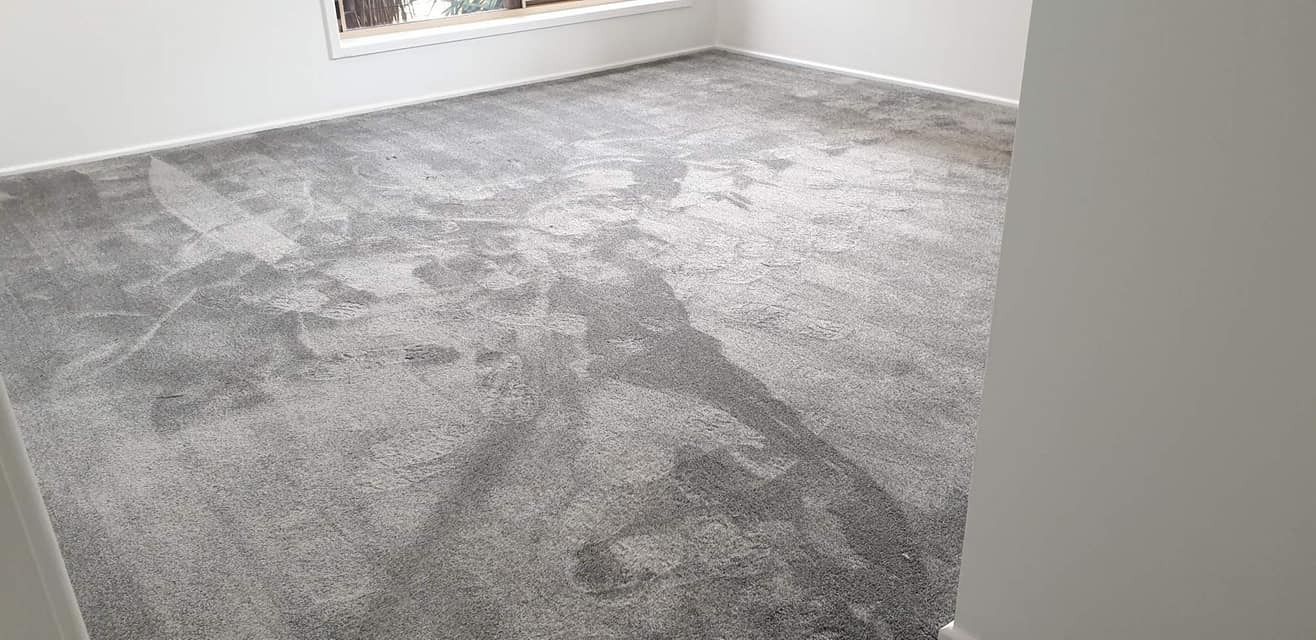
As the underlay flattens, the carpet above may begin to show visible signs of wear. This can include pathways forming in high-use areas, changes in texture and a reduction in cushioning. While the carpet itself may still be intact, the lack of support beneath it can influence how it looks and feels.
In some cases, uneven wear may develop where certain areas receive more pressure than others. This highlights how underlay density contributes not only to comfort but also to the long-term appearance of the flooring.
Foot traffic levels should guide your choice of underlay density
Different areas of a home experience different levels of use, and underlay density can be selected to reflect this. Spaces that are used more frequently typically benefit from higher density support.
Common considerations include:
- Living areas where daily activity is concentrated
- Hallways that experience repeated foot traffic
- Entry points where movement is more frequent
- Bedrooms that may have lighter usage patterns
By matching underlay density to the way each space is used, it becomes easier to create a flooring system that performs consistently. This approach supports durability in high-use areas while maintaining comfort in quieter parts of the home.
For those planning carpet flooring Bundaberg installations, this level of planning can help balance performance across the entire property.
Sound insulation and thermal comfort are influenced by the right underlay selection
Underlay also plays a role in how a space feels beyond just the surface of the carpet. It can contribute to sound insulation and thermal comfort, both of which affect how a room functions on a daily basis.
A denser underlay can help reduce noise transfer by absorbing sound generated by footsteps and movement. This can be particularly noticeable in multi-level homes or areas where sound travels easily.
In terms of temperature, underlay adds a layer between the carpet and the subfloor. This can help reduce heat loss and create a more consistent feel underfoot. While these effects may not always be immediately noticeable, they contribute to overall comfort within the space.
These factors demonstrate that underlay selection extends beyond durability and into how the environment feels over time.
Professional carpet installation includes selecting suitable underlay for long-term performance
Selecting underlay is often part of the broader carpet installation process. Rather than being chosen separately, it is usually matched to the type of carpet and how the space will be used.
This process may involve:
- Reviewing the carpet style and fibre type
- Considering how each room will be used
- Recommending density based on expected wear
- Ensuring compatibility between carpet and underlay
By considering these factors together, it becomes easier to create a flooring system that functions as intended. The goal is to align the visible surface with the support underneath it, rather than treating them as separate elements.
This approach helps ensure that both comfort and durability are considered during installation.
Choosing the right underlay is part of planning long-lasting carpet flooring
Underlay is not visible once the carpet is installed, but its influence is ongoing. From daily use to long-term wear, it contributes to how the flooring performs across different conditions.
Planning for underlay density during the early stages of a project allows for a more complete approach to flooring. It shifts the focus from short-term appearance to how the carpet will respond over time.
For homeowners, renovators and property investors, this can help create a surface that maintains its structure and feel for longer. By considering both the carpet and the underlay together, it becomes easier to make decisions that support consistent performance.
We at Bundaberg Carpets and Vinyls understand that flooring choices in Bundaberg often need to balance comfort with durability, particularly in homes that experience regular use and changing conditions. Underlay density is an important part of that decision, even though it is not always visible once the carpet is installed.
If you are exploring carpet Bundaberg options or planning Residential Carpet installations, we can help guide you through suitable combinations of carpet and underlay. Get in touch to discuss carpet flooring Bundaberg solutions that align with how your space will be used over time.